Why Is Asphalt Such a Popular Paving Material?
Asphalt is a favored choice for paving roads, driveways, and other surfaces. Known for its durability and cost-effectiveness, asphalt offers various benefits that make it a popular material in the construction industry. It's not only economical but also versatile and environmentally friendly, making it ideal for a wide range of applications. Moreover, asphalt paving supports infrastructure development by providing a reliable surface for transportation networks, which is crucial for economic growth. Here are a few key aspects that make asphalt a preferred material for paving.
Cost-Effectiveness
Initial Installation Costs
Asphalt is generally cheaper to install compared to alternative paving materials such as concrete. The material's lower cost is a significant advantage for projects with budget constraints. Contractors and project managers often choose asphalt to minimize initial expenses while still delivering high-quality surfaces. This makes asphalt particularly popular in large-scale infrastructure projects, where keeping costs low is imperative. Additionally, the installation process for asphalt is quicker, which further reduces labor costs associated with construction projects.
Maintenance Costs
Costs related to the upkeep and repair of asphalt surfaces are relatively low. Routine maintenance involves tasks such as sealing cracks and applying sealant, which are cost-effective and extend the life of asphalt surfaces. Unlike other paving materials, which may require more intensive and costly repairs, asphalt paving can often be maintained with minimal expense. This contributes to long-term savings, making asphalt a financially wise choice for both public and private projects. The economic benefits of low maintenance expenses make asphalt favorable for continual use across multiple project types.
Longevity and Durability
The lifespan of asphalt paving ensures fewer replacement costs over time. Its natural durability means that it can sustain significant wear and tear before needing replacement, which further enhances its cost-effectiveness. This attribute is particularly beneficial in high-traffic areas where frequent replacements would be disruptive and costly. As a testament to its enduring quality, asphalt covers approximately 94% of the paved roads in the U.S., according to the National Asphalt Pavement Association. Investing in asphalt not only results in durable roads but also minimizes financial strain from frequent repairs or replacements.
Recyclability and Cost Savings
The ability to recycle asphalt contributes to its cost-effectiveness. Recycled asphalt retains the properties of new asphalt but is cheaper to produce. This recyclability reduces the need for new materials, helping limit resource consumption and lower project costs. Using recycled asphalt materials is a sustainable practice that appeals to environmentally conscious builders and governments. When asphalt roads or pavements reach the end of their service life, they can be efficiently processed and reused in future projects, closing the loop and offering financial returns on the initial investment.
Durability and Strength
Resistance to Wear and Tear
Asphalt surfaces are known for their ability to withstand heavy traffic. This property is crucial for roads and highways where constant use demands a resilient material. The elasticity and cohesive strength of asphalt provide a robust pavement that distributes loads efficiently and minimizes structural damage. As a result, asphalt paving maintains its integrity even under severe weather and traffic conditions. This resistance to wear and tear extends the functional life of pavements and reduces the frequency and cost of repairs, further contributing to its widespread use.
Adaptability to Weather Conditions
Asphalt's performance in various climatic conditions demonstrates its enduring strength. It remains pliable in warmer temperatures and can be engineered to resist cracking in colder climates. This adaptability makes it a suitable choice for regions with diverse environmental conditions. Through modification and quality control during production, asphalt paving can be tailored to meet specific environmental requirements, ensuring optimal performance year-round. This flexibility underscores its use as a reliable paving material across different geographical areas, minimizing disruptions caused by seasonal changes.
Structural Integrity
Exploring how asphalt maintains its structural strength over time reveals key advantages in paving. It consists of a flexible composition that absorbs stress from both surface and subsurface levels. This ability to adjust under pressure allows asphalt roads to maintain structural integrity despite minor shifts in the base or subgrade. As a result, asphalt pavements offer long-term performance with minimal intervention. The material's capacity to protect its integrity extends its usage in both urban and rural settings, accommodating complex transportation needs while sustaining heavy loads efficiently.
Crack and Damage Prevention
The features of asphalt that help minimize surface damage include its flexibility and resilience. This asphalt's unique properties prevent major cracks that compromise pavement durability. Its pliability under varying temperatures and loads allows it to expand and contract without splitting, unlike more rigid materials. Moreover, modern binders and sealants used in asphalt paving enhance their ability to reduce surface disruptions. These innovations foster seamless pavement surfaces that maintain their condition longer and reduce maintenance demands.
Long-Term Performance
How asphalt surfaces sustain their functionality over extended periods further validates their selection. With minimal cracking and resistance to rutting, asphalt paving remains functional for extensive durations without significant decline. This enables sustained utility and traffic flow, which are vital requirements for transportation infrastructure. Through the use of high-performance asphalt mixes engineered for longevity, roads and pavements can withstand decades of service. This consistent performance is critical for city planners and engineers focused on reliability and delivering long-lasting solutions in public works.
Ease of Installation and Maintenance
Installation Process
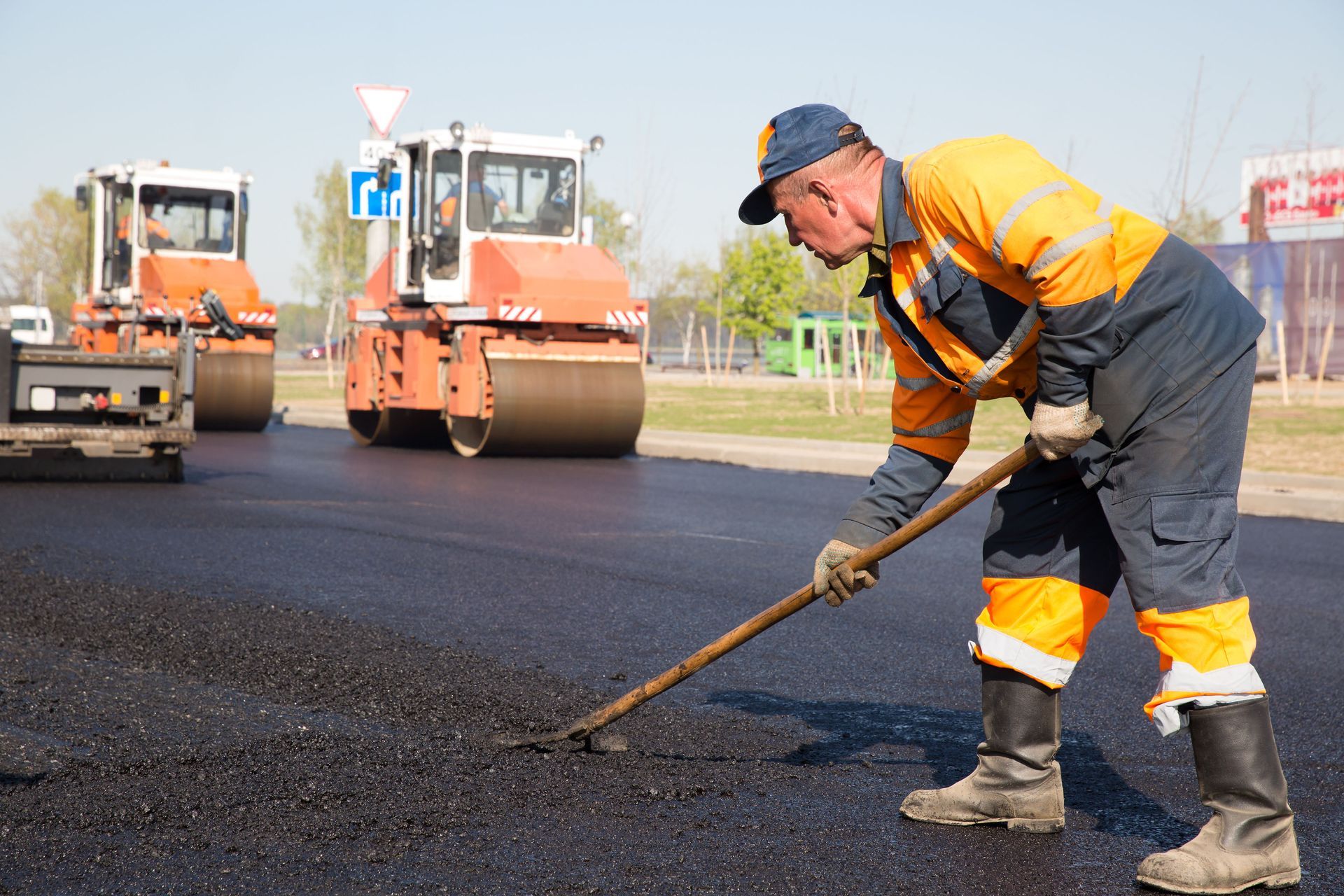
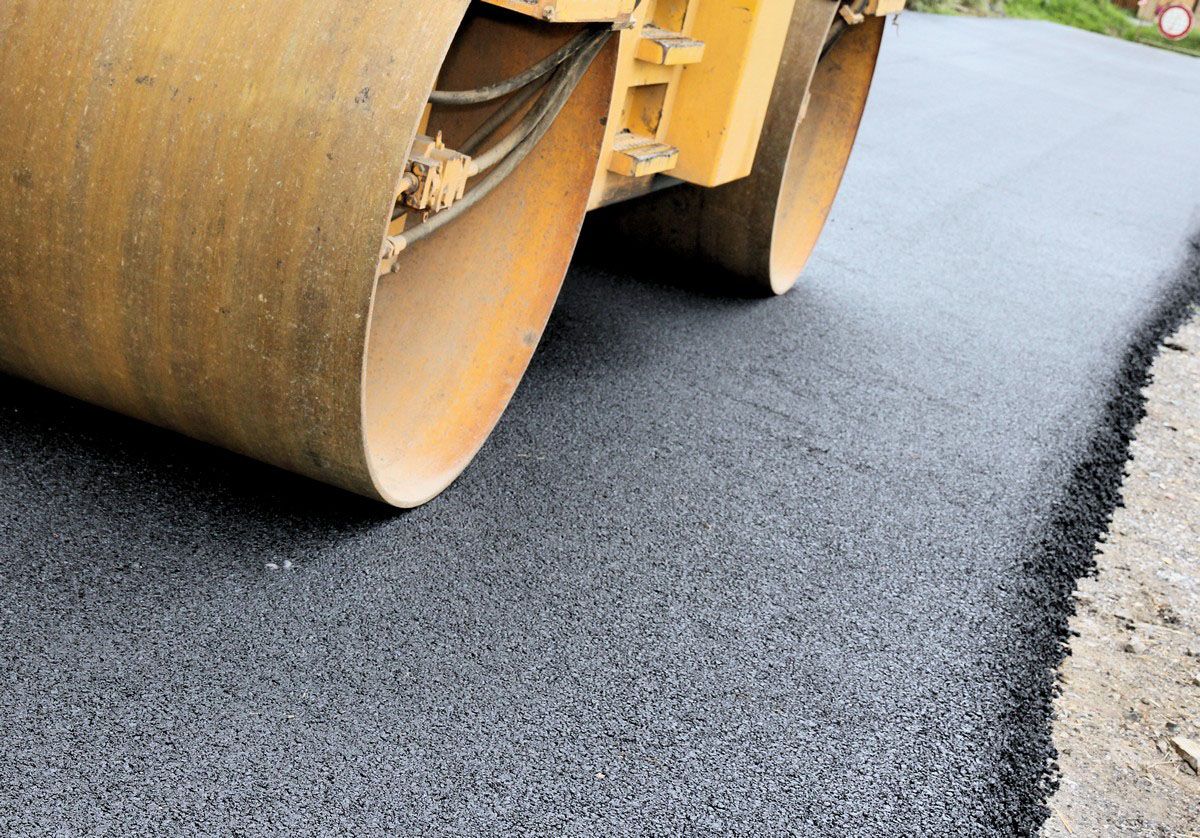
The steps involved in efficiently installing asphalt surfaces are straightforward, providing fast completion times. Asphalt is typically laid in layers over a prepared base, with each layer compacted to achieve a smooth surface. This method ensures optimal strength and minimizes air pockets that can cause surface failures. Installation can be performed quickly, reducing the timeline compared to materials like concrete, which require curing time. The ease of the asphalt laying process means fewer road closures and minimally disruptive construction timelines, which urban settings find particularly beneficial.
Quick Repair Techniques
Addressing common issues in asphalt with rapid repair methods helps maintain superior pavement conditions. Techniques such as patching, crack filling, and resurfacing can be performed with minimal equipment and expertise. These quick solutions are efficient for minor repairs, preventing minor issues from expanding into costly damage. With repair time being a crucial consideration in urban infrastructure, asphalt provides a flexible advantage for maintaining road surfaces without obstructing daily activities. The ability to address surface imperfections rapidly adds to asphalt's appeal as a construction material.
Routine Maintenance
Regular practices to keep asphalt in optimal condition include surface cleaning, crack sealing, and applying protective sealers. These maintenance activities are straightforward and require limited resources. Routine upkeep not only preserves the surface's appearance but also extends its life, preemptively addressing issues before they necessitate complex repairs. Regular maintenance also includes inspecting drainage systems to prevent water build-up that could damage asphalt surfaces. Through consistent maintenance efforts, asphalt remains an efficient and cost-effective paving solution.
Surface Treatment Options
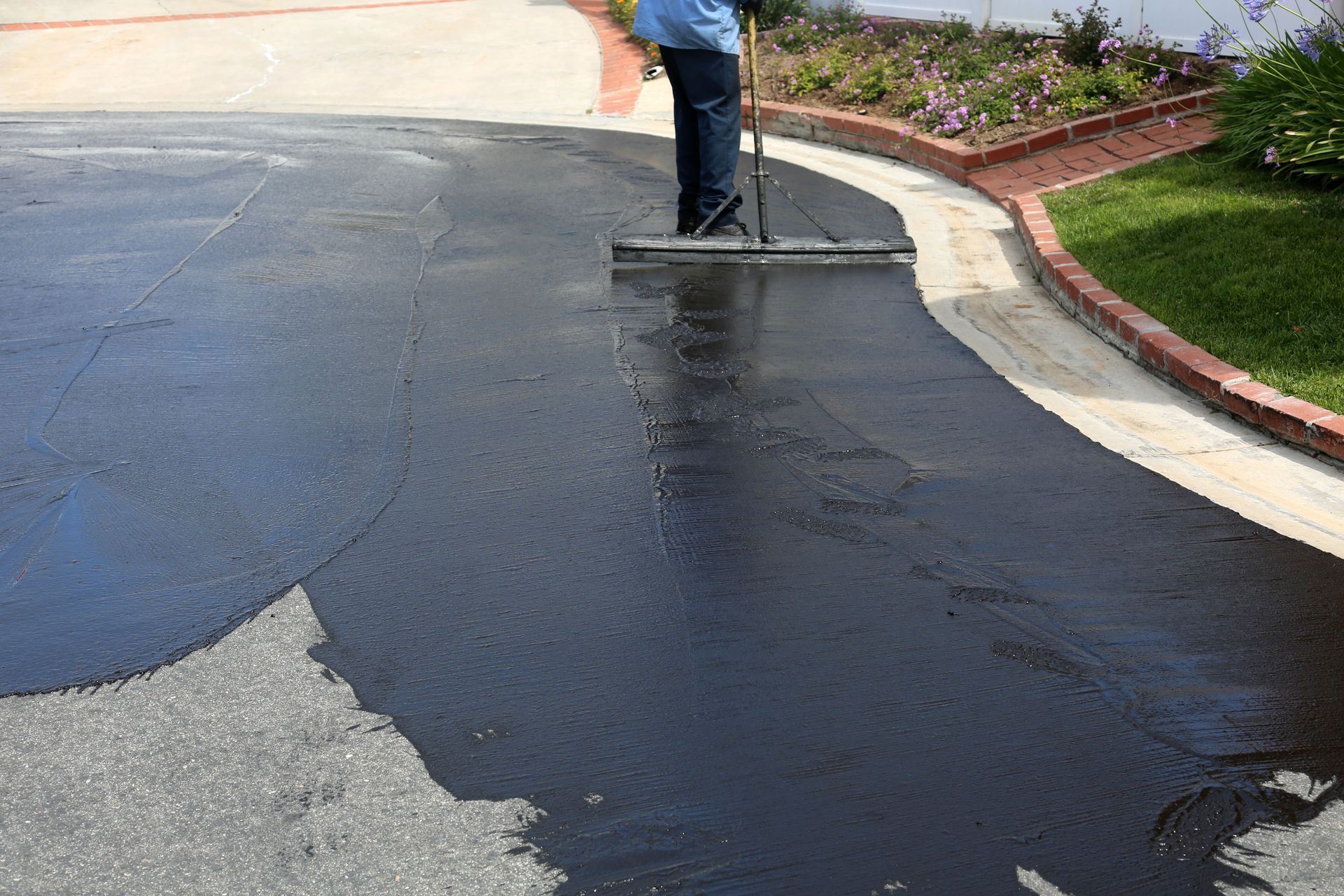
Enhancing the longevity and aesthetics of asphalt through various treatments provides both functional and visual improvements. Techniques such as slurry seals, chip seals, and overlays are employed to protect and rejuvenate asphalt surfaces. These treatments add life to existing pavements, fix minor imperfections, and improve surface texture. Design elements, such as coloring and texturing, can also be integrated to suit aesthetic needs while preserving asphalt's inherent properties. This proactive approach in treating asphalt surfaces ensures long-term usability and appearance, crucial for high-visibility public projects and commercial spaces.
Asphalt's popularity as a paving material can be attributed to its cost-effectiveness, strength, ease of installation, and positive environmental impact. Its versatility in application and contribution to economic development further solidify its status as a preferable choice in the construction industry. It's no surprise that asphalt paving continues to offer extensive benefits in diverse applications in the U.S. It remains a cornerstone in infrastructure efforts and an invaluable asset in supporting the modern world's connectivity, access, and progression. Through innovation and strategic material management, asphalt will continue to adapt, meet environmental standards, and exceed expectations in paving and construction landscapes. Call Thomas Wells III Inc. Asphalt Paving today to take advantage of this durable, versatile paving material.
Share On: