What Should I Look for in a Paving Company?
Choosing the right contractor for an asphalt project can have a major effect on how well the finished surface performs over time. Driveways, parking lots, private roads, and other paved areas depend on proper preparation, material selection, drainage, installation, and maintenance. A professional paving company should be able to explain its process clearly, evaluate site conditions, and provide recommendations based on the specific property rather than offering a one-size-fits-all solution.
Longevity is one reason contractor selection matters. According to This Old House, asphalt paving can last 15 to 20 years when it receives regular sealing and appropriate maintenance. Reaching that kind of service life depends on more than the asphalt itself. The condition of the base, thickness of the pavement, compaction, drainage, and maintenance plan all influence performance. Knowing what to look for before hiring a contractor can help property owners make a more informed decision.
Look for Proven Paving Experience
Reviewing Similar Project Experience
Different paving projects can require different approaches. A residential driveway, commercial parking lot, and private roadway may involve different traffic loads, drainage concerns, and preparation requirements. A paving company with experience handling projects similar to yours is more likely to understand the conditions that can influence the final result.
Reviewing Local Conditions
Climate, soil, drainage, and seasonal weather can affect pavement performance. Contractors familiar with local conditions can better account for temperature changes, rainfall patterns, and ground movement when planning the work. This local experience can be especially important when evaluating base preparation and water management.
Reviewing Project History
Past projects can provide useful context about the contractor's workmanship and consistency. Property owners can ask about completed jobs, project types, and how long the business has been performing asphalt work. A substantial track record can help demonstrate that the contractor has worked through a range of site conditions.
Reviewing Long-Term Results
Fresh asphalt can look good immediately after installation, but long-term performance is more revealing. Asking about older completed projects can help show how pavement has held up after several seasons of traffic and weather. That perspective can be more useful than judging quality only by appearance on installation day.
Look for Clear Project Planning
Evaluating Site Preparation
Proper preparation is one of the most important parts of asphalt paving. A paving company should evaluate the existing surface, base condition, grading, drainage, and any areas of instability before work begins. Skipping preparation can create problems that become visible only after the new surface has been installed.
Evaluating Drainage Considerations
Water can contribute to pavement deterioration when it collects on the surface or reaches the base underneath. A professional contractor should consider slope, runoff, and drainage patterns when planning the project. Proper grading can help direct water away from vulnerable areas and reduce standing water.
Evaluating Pavement Thickness
The appropriate asphalt thickness depends on how the surface will be used. A driveway that supports passenger vehicles may have different needs than a commercial area that regularly handles heavier traffic. Contractors should consider expected use when recommending the pavement structure.
Evaluating the Project Sequence
Property owners should understand the general order of work before the project begins. Excavation, base preparation, grading, paving, compaction, and curing all require proper timing. Clear planning helps reduce confusion and gives customers a better idea of what to expect throughout the process.
Look for Quality Materials and Equipment
Checking Asphalt Mix Selection
Not all asphalt mixes are identical. The right material should reflect the type of project, traffic expectations, and local conditions. A paving company should be able to explain why a particular mix is appropriate rather than simply using the same material on every project.
Checking Compaction Equipment
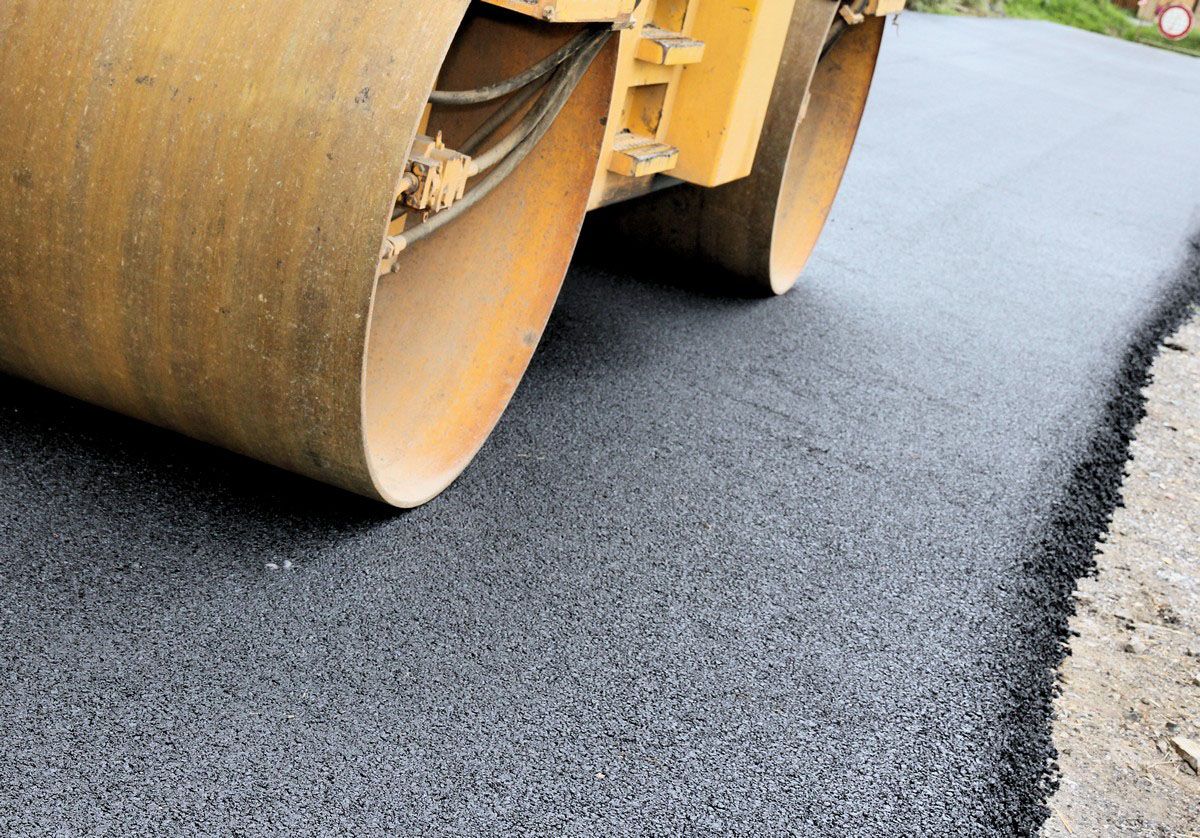
Compaction plays a major role in pavement strength and durability. Professional-grade rollers and other equipment help achieve the density needed for a stable surface. Poor compaction can leave asphalt more vulnerable to movement, water intrusion, and premature wear.
Checking Preparation Equipment
Large projects may require excavators, graders, milling machines, or other specialized equipment before paving begins. The availability of appropriate machinery can influence how efficiently and accurately the site is prepared. Contractors should have access to tools suited to the scope of the work.
Checking Material Handling
Asphalt must be transported, placed, and compacted within appropriate temperature ranges. Professional contractors understand how timing and handling can affect the finished surface. Careful coordination helps reduce problems associated with material cooling too quickly before compaction is complete.
Look for Transparent Estimates and Communication
Comparing Detailed Proposals
Estimates should provide enough detail for customers to understand what work is included. A paving company can outline preparation, materials, project dimensions, and other relevant services so property owners can compare proposals based on scope rather than price alone.
Comparing Project Expectations
Good communication includes discussing what the property will look like during construction, how access will be affected, and when the new surface can be used. Setting expectations before work begins can reduce confusion and help customers plan around the project.
Comparing Answers to Questions
Contractors should be willing to answer questions about materials, drainage, timelines, maintenance, and recommendations. Clear explanations can help customers feel more informed and make it easier to understand why certain steps are necessary.
Comparing Payment Terms
Payment schedules and project terms should be explained before work begins. Property owners benefit from having a written agreement that describes the scope of work, total price, and other important details. This creates a clearer understanding between both parties.
Look for Proper Credentials and Professionalism
Confirming Insurance Coverage
Professional contractors should carry appropriate insurance for the work they perform. Property owners can ask for proof of coverage before the project begins. This step helps clarify that the business is operating responsibly and has protections in place for its work.
Confirming Licensing Requirements
Licensing requirements vary by location, so customers should understand what applies in their area. A paving company should be prepared to provide relevant credentials when required and answer questions about its business status.
Confirming Jobsite Organization
Professionalism can also be seen in how a contractor manages the worksite. Organized equipment, clear communication, and attention to the surrounding property all contribute to a smoother project. These details can be especially important when paving occurs near homes, businesses, or active traffic areas.
Confirming Customer References
References and customer feedback can provide additional insight into reliability, communication, and workmanship. Property owners can look for consistent patterns rather than relying on a single review. Repeated comments about punctuality, quality, and responsiveness can be useful when comparing contractors.
Look for Long-Term Maintenance Guidance
Discussing Sealcoating
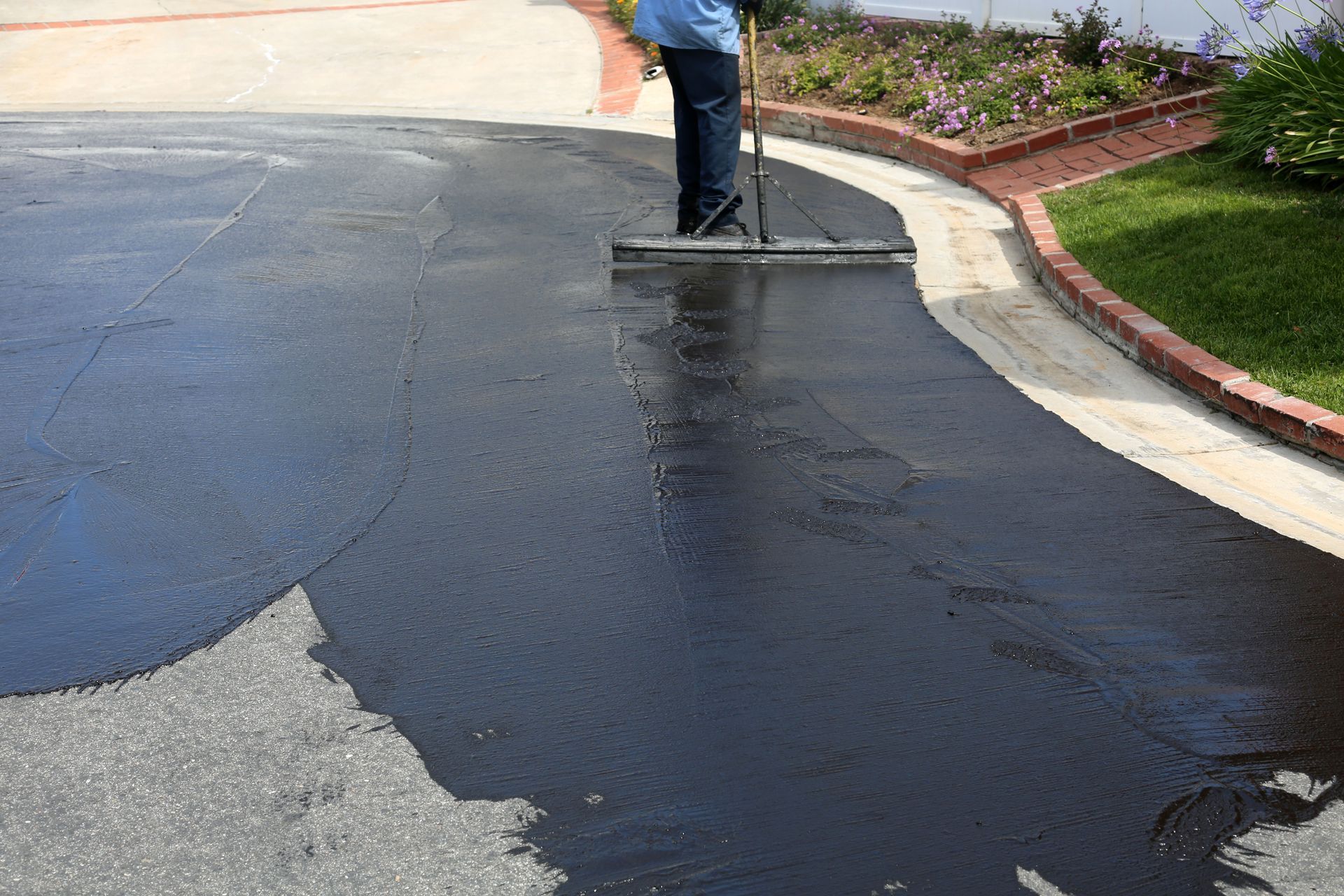
Sealcoating can help protect asphalt from oxidation, weather exposure, and other surface deterioration. A paving company should be able to explain when sealing may be appropriate after installation and how often it should be considered based on use and local conditions.
Discussing Crack Repair
Small cracks can allow water to reach the base if they are left unaddressed. Professional maintenance plans often include monitoring cracks and repairing them before they expand. Early attention can help preserve the surface and reduce the likelihood of larger problems.
Discussing Drainage Maintenance
Even properly graded pavement can experience problems if drains, edges, or runoff areas become blocked. Ongoing attention to drainage helps protect the base and reduce standing water. Contractors can explain what property owners should monitor after the project is complete.
Discussing Future Service Needs
Asphalt changes over time as it is exposed to traffic, sunlight, rain, and temperature swings. A good contractor can help customers understand what normal aging looks like and when future maintenance should be scheduled. This guidance can make it easier to protect the original paving investment.
Choosing a contractor for an asphalt project involves more than comparing prices. Experience, planning, materials, equipment, communication, credentials, and maintenance guidance all contribute to the quality and long-term performance of the finished surface. Property owners who want professional asphalt work can contact Thomas Wells III Inc. Asphalt Paving today to discuss their project with an experienced paving company and learn what approach is appropriate for their property.


Share On: