7 Questions to Ask Before Paving Your Driveway
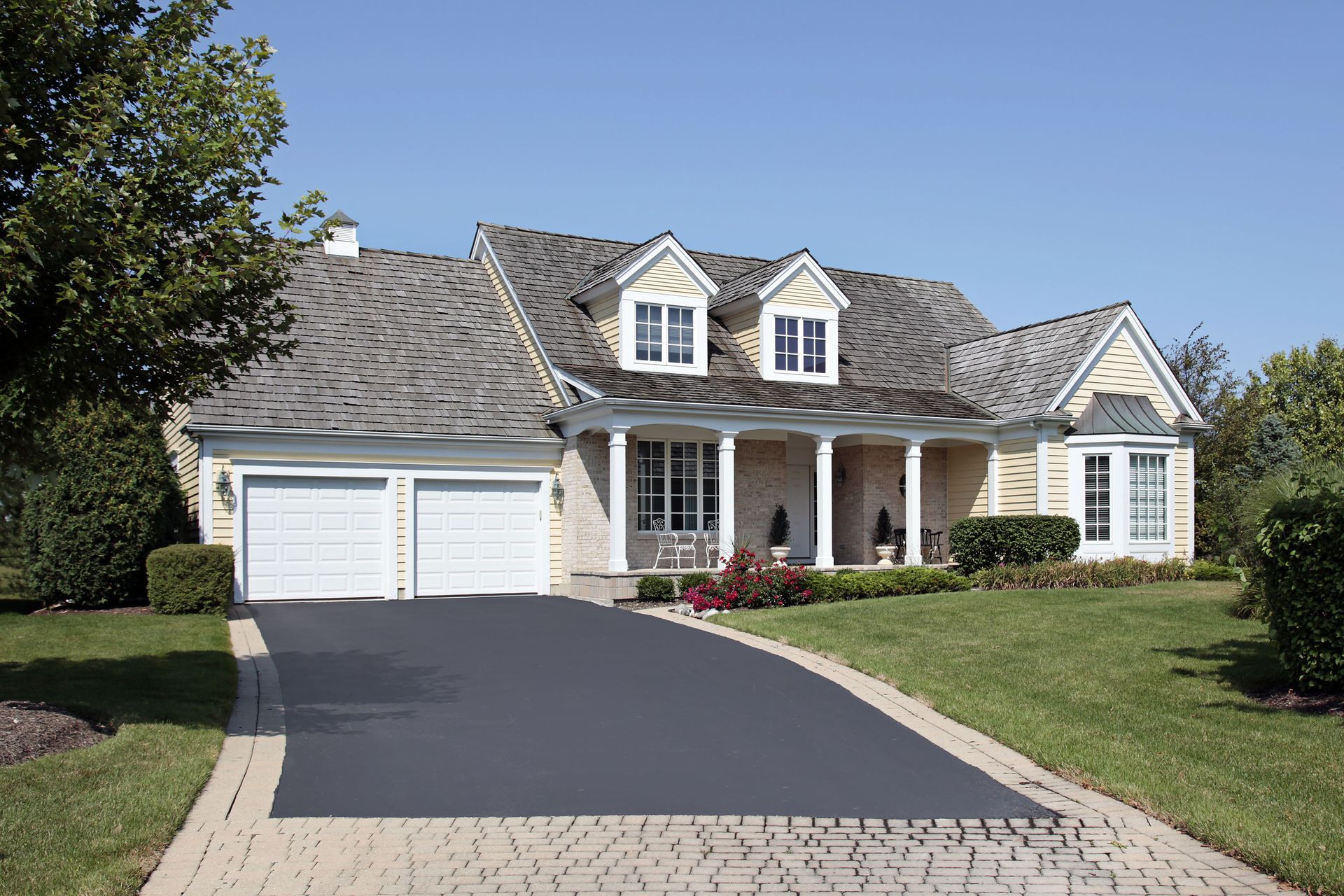
The driveway is the literal entrance to your home, serving as both a functional necessity and a significant component of your property's curb appeal. For most homeowners, paving a driveway is a major home improvement project that requires a substantial financial investment and careful planning. Whether you are replacing a crumbling, pothole-ridden surface or installing a brand-new path to your garage, the quality of the workmanship will determine whether your investment lasts for five years or twenty-five years. A poorly executed job can lead to immediate drainage issues, surface cracking, and structural failure, whereas a professionally installed surface adds value and convenience to your daily life.
Among the various materials available, asphalt paving remains one of the most popular choices due to its cost-effectiveness, flexibility in changing climates, and sleek, dark finish. However, not all contractors are created equal, and the longevity of your driveway depends heavily on the specific techniques and materials used during installation.
In this article, we will examine the essential questions you must ask to ensure your paving project is a success.
1. Are You Properly Licensed and Insured?
Before discussing the technical details of the project, you must verify the contractor's legal and professional standing. In the construction industry, licensing is a guarantee that the company meets the minimum standards set by the state or local municipality. Furthermore, insurance is non-negotiable. You should ask for proof of both General Liability and Workers' Compensation insurance. Without these protections, you could be held financially liable for any accidents that occur on your property or for damage caused to your home during the installation process. A reputable company specializing in asphalt paving will have no hesitation in providing up-to-date documentation to give you peace of mind.
2. How Will You Handle Site Drainage?
Water is the primary enemy of any paved surface. If water is allowed to pool on the surface or seep into the sub-base, it will eventually cause the material to shift, crack, and fail. Before the first load of material arrives, ask the contractor how they plan to grade the area. A properly designed driveway should have a slight slope—at least 1% to 2%—to direct water away from the home's foundation and toward a suitable drainage area. If your property has unique topographical challenges, ask if they recommend installing a trench drain or a culvert. A professional will analyze the natural runoff of your land to ensure your new surface doesn't become a makeshift pond during the first heavy rainstorm.
3. What Is the Total Thickness of the Layers?
One of the most important technical aspects of the job is the thickness of the material being applied. This is where many low-bid contractors cut corners to save on material costs. You need to know the depth of both the aggregate base and the asphalt itself. According to The Spruce, asphalt driveways should be at least two inches thick, with four to six inches recommended for greater durability and longevity. If you plan on parking heavy vehicles, such as an RV or a large work truck, on the surface, you should lean toward the thicker end of that spectrum. Asking this question upfront ensures that you and the contractor are on the same page regarding the structural integrity of the finished product.
4. What Kind of Sub-Base Will Be Installed?
The longevity of asphalt paving is determined not by the black surface you see, but by the foundation hidden beneath it. A driveway is only as strong as its sub-base. Ask the contractor what material they use for the base and how deep it will be. Typically, a base of crushed stone or recycled concrete is used to provide a stable platform and allow for minor soil expansion. If the contractor suggests paving directly over your old, cracked surface or over soft topsoil without a proper base, it is a significant red flag. A high-quality installation requires excavating the area, removing organic matter, and laying a compacted stone foundation that can support the weight of your vehicles for decades.
5. How Do You Plan to Compact the Material?
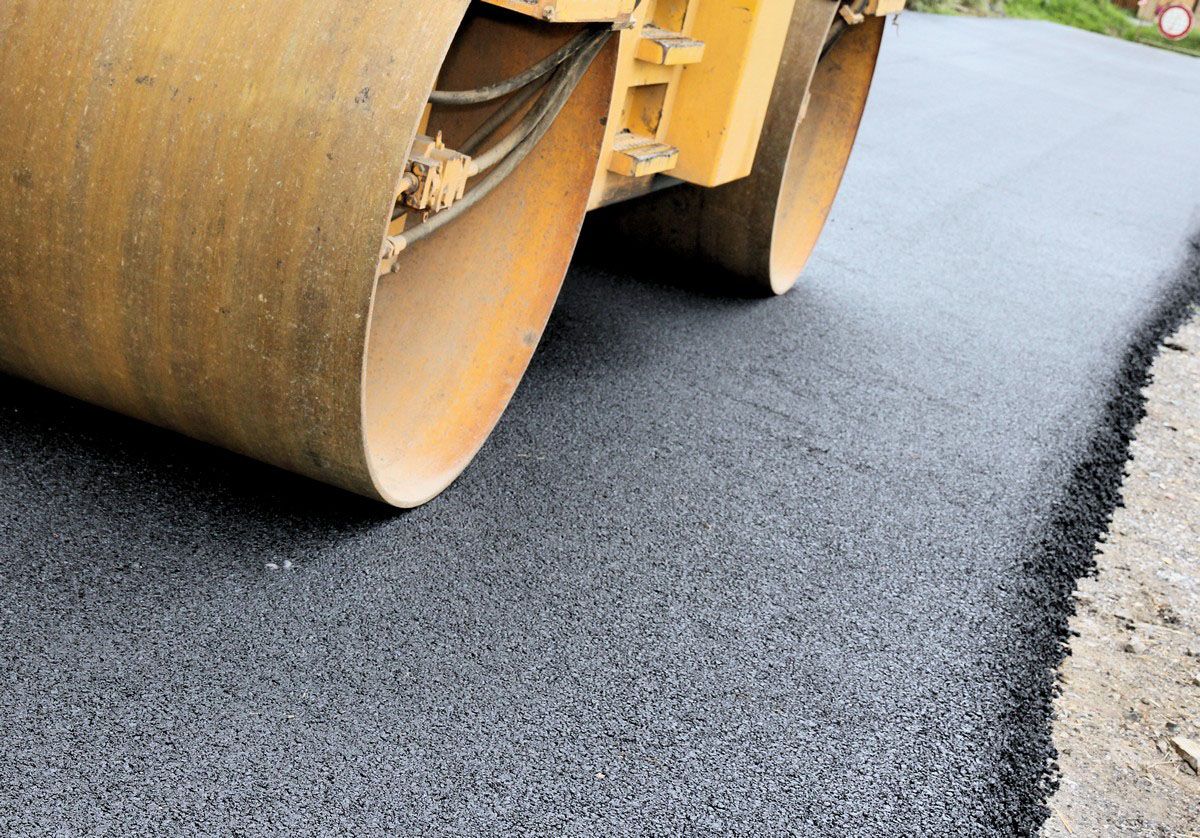
Compaction is the process of pressing the asphalt and the sub-base together to remove air pockets and create a solid, waterproof surface. Without proper compaction, the driveway will remain porous, leading to "raveling" where the stones become loose and the surface begins to disintegrate. Ask the contractor about the equipment they use. Do they use a heavy vibratory roller, or do they rely on smaller, less effective tools? A professional asphalt paving team will compact the sub-base first, then compact the asphalt while it is still at the optimal temperature. Proper compaction ensures a smooth finish and prevents the premature formation of ruts and depressions in the wheel paths.
6. What Is Your Estimated Timeline for Completion?
Paving projects are disruptive to your daily routine, as you will likely be unable to park in your garage or use your driveway for several days. Ask for a clear timeline that includes the preparation phase, the installation day, and the "curing" period. While the actual paving might only take a day, you generally need to wait at least 24 to 72 hours before driving a vehicle onto the new surface, and even longer during exceptionally hot weather. A professional contractor will provide you with a schedule and instructions on how to protect the edges of the new asphalt during the initial curing phase, helping you avoid accidental damage before the material has fully hardened.
7. Will You Provide a Written Warranty?
A verbal promise is rarely enough when it comes to major construction work. You should ask the contractor if they provide a written warranty that covers both materials and labor. Most reputable paving companies offer a one-year warranty to protect against significant cracks or sinking that might occur during the first freeze-thaw cycle. It is important to understand what is not covered as well; for instance, small "hairline" cracks or damage caused by heavy equipment are often excluded. Having a written agreement ensures that if the asphalt paving fails prematurely due to a manufacturing defect or poor installation, the contractor is legally obligated to return and fix the issue at no additional cost to you.
8. Who Will Be On-Site Supervising the Work?
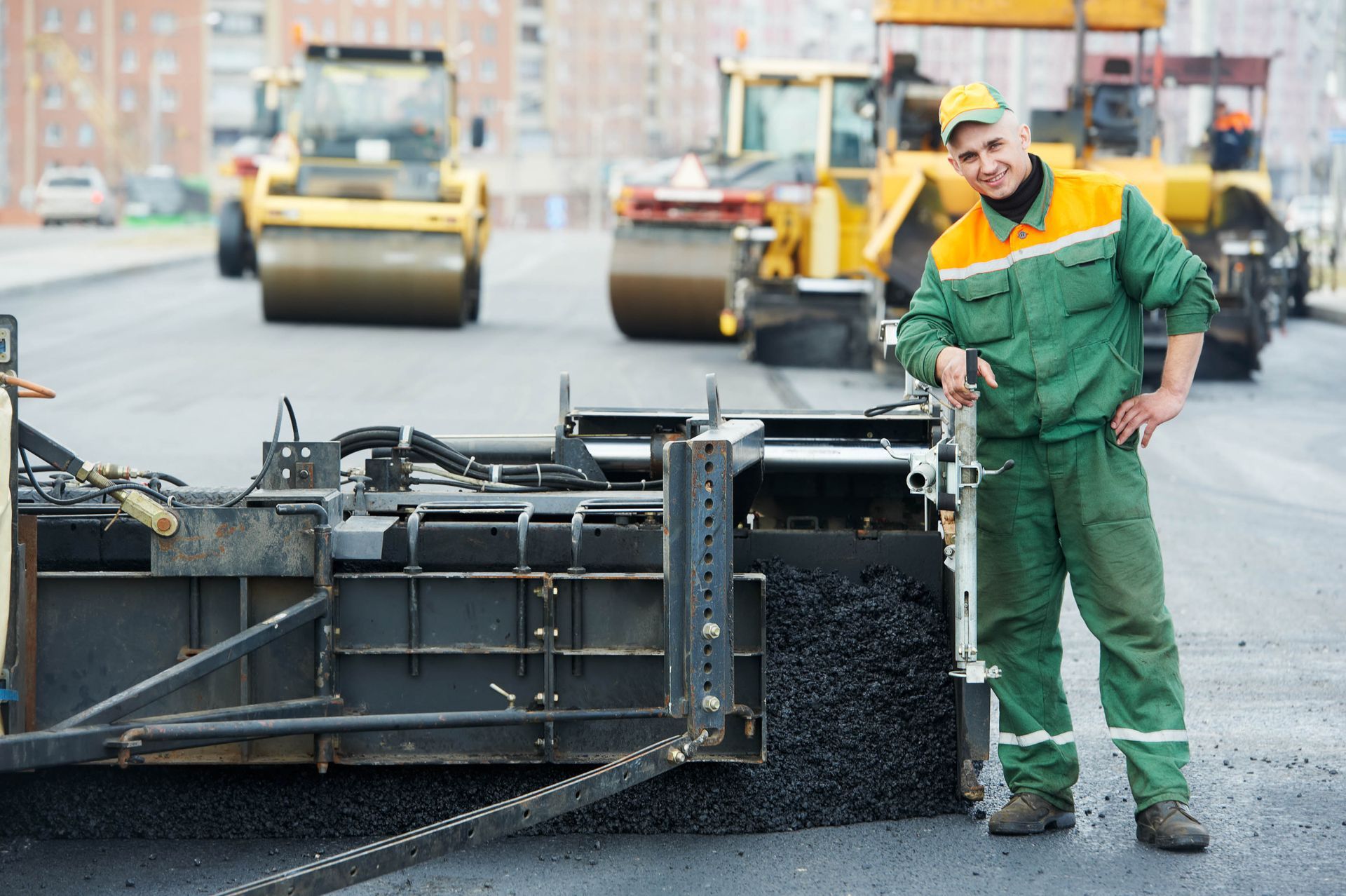
In many cases, the salesperson who gives you the quote is not the person who will be operating the machinery on the day of the job. You should ask who the project manager or site foreman will be and if they will be present throughout the entire process. Communication is key to a successful project; you need a single point of contact who can answer questions and make decisions if an unexpected issue arises, such as discovering an old underground utility line or encountering unstable soil. Knowing that an experienced supervisor is overseeing the asphalt paving crew ensures that the high standards promised during the sales pitch are actually met during the execution of the work.
Paving your driveway is a significant undertaking that requires more than just picking the lowest price. By asking these targeted questions, you take control of the process and ensure that your home receives a surface that is built to last. If you are ready to upgrade your home's entrance and ensure a high-quality, durable finish, contact our team at Thomas Wells III Inc Asphalt Paving today for a detailed consultation and a professional estimate on your next project.
Share On: