4 Essential Tips on How to Maintain Your Asphalt Driveway
An asphalt driveway can significantly add to the curb appeal of your property, but it requires proper care to stay in top condition. Maintaining your asphalt driveway with the help of a local paving contractor is crucial for enhancing its lifespan and ensuring it continues to look great and function effectively. By following the tips below, you can protect your investment and enjoy a durable and attractive driveway for years to come.
1. Regular Cleaning
Remove Debris
Debris such as leaves, dirt, and twigs can accumulate on your driveway, leading to potential staining and surface degradation. It is essential to clear these materials regularly to prevent long-term damage. The acids from decomposing leaves and organic matter can eat away at the asphalt, leading to weakened surfaces. By removing debris promptly, you minimize the chance of these surface compromises. Regular cleaning with a broom or leaf blower can go a long way in maintaining the appearance and integrity of your driveway.
Power Washing
Periodic power washing can effectively remove stains and dirt that accumulate over time. A high-pressure wash can penetrate the pores of the asphalt surface, lifting stubborn dirt and grime. It's important to use a moderate pressure setting to avoid damaging the asphalt. Power washing is particularly useful after events that result in mud or dust accumulation, such as after heavy rains or construction activities nearby. This practice not only keeps the driveway clean but also enhances its visual appeal.
Oil Stain Management
Oil stains are a common issue on asphalt driveways, and addressing them quickly is important to prevent permanent damage. Products such as cat litter, baking soda, and commercial oil stain removers can be effective in absorbing and cleaning oil spots. Apply the product to the stain and allow it to sit, drawing out the oil before scrubbing it. Regularly checking for and treating oil stains will prevent them from seeping into and weakening the surface. Proper oil management will help maintain a clean and strong driveway.
2. Crack Inspection and Repair
Identify Early Signs
Spotting early signs of wear and tear, such as small cracks, can prevent major problems later on. Regular inspections should be part of your maintenance routine, ideally every few months. Look for small cracks, which are often harbingers of larger issues if left unaddressed. Early intervention can prevent water infiltration and the freeze-thaw cycles that exacerbate crack development. Identifying potential issues early on is key to ensuring a long-lasting driveway.
Choose the Right Materials
Choosing the right materials for crack repair is essential for effective maintenance. Quality fillers and sealants vary depending on the type and size of the crack. For minor cracks, rubberized asphalt-emulsion crack filler can provide a good seal. For larger cracks, you may need asphalt patching compounds applied by an expert local paving contractor. Using correct materials ensures that repairs are durable, maintaining the structural integrity of your driveway.
Seasonal Inspection Timelines
Inspecting your driveway at certain times of the year can be more effective due to weather conditions. Spring and fall are ideal seasons for inspection since temperatures are moderate. These inspections can also align with other seasonal maintenance tasks, such as snow removal or leaf clearance. Timing your inspections with seasonal changes helps catch damage early, preventing more costly repairs later. Having a set timeline for inspections ensures none are missed.
Long-Term Impact Assessment
Ignoring cracks and other minor issues can lead to significant problems over time. Water infiltration through cracks can lead to erosion. Furthermore, the freeze-thaw cycle can worsen existing cracks year over year, leading to more costly repairs down the line. According to The Spruce, forgetting to address these issues can cause you to reapply asphalt sealer as often as every one to three years instead of extending its life. Proactively assessing the long-term impacts of minor damages ensures your driveway lasts.
3. Sealcoating
Understanding Sealcoating
Sealcoating offered by a local paving contractor adds a protective layer to your asphalt driveway, guarding against chemicals, water, and UV rays. It acts as a shield, enhancing the driveway's resistance to the elements, thus prolonging its lifespan. Regular sealcoating also enhances the appearance of the driveway, giving it a polished appearance. This process fills minor surface voids, which reduces exposure to oxygen and UV rays, slowing down the process of oxidation. Taking this preventive measure is key to maximizing the longevity of your driveway.
Timing the Application
The timing of sealcoating is vital to its effectiveness. The best time for a local paving contractor to apply sealcoating is during warm, dry conditions, typically in late spring or early fall. The ground temperature should be at least 50 degrees Fahrenheit and rising for best results. Proper timing ensures that the sealcoating adheres properly, providing the maximum protective benefits.
Tools and Materials Needed
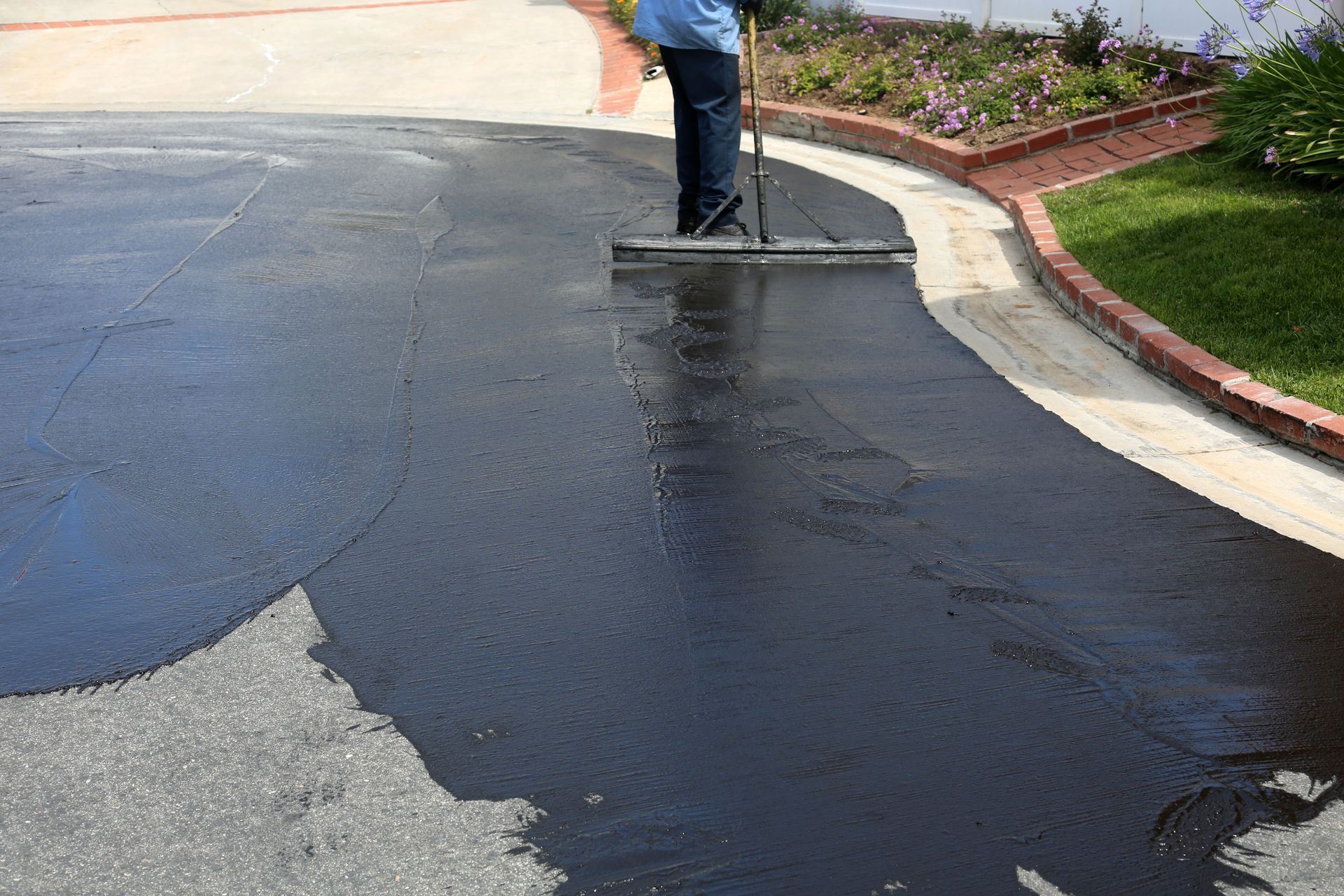
Professional sealcoating requires commercial-grade equipment and materials that go far beyond basic consumer products. A local paving contractor uses industrial spray systems, professional squeegees, and calibrated mixing equipment to apply the sealcoating evenly and efficiently. The sealcoating materials themselves are contractor-grade formulations designed for durability, proper curing, and long-term protection against traffic, weather, and chemical exposure. In addition, contractors use surface preparation tools, crack-filling equipment, and safety controls that allow the job to be completed thoroughly and safely. This professional setup helps deliver a smoother finish, better adhesion, and a longer-lasting result than residential-grade applications.
Sealcoating Process
When sealcoating is performed by a local paving contractor, the process follows a structured, proven approach designed for maximum performance. The contractor begins with a detailed inspection of the driveway to identify cracks, surface wear, or drainage concerns. The surface is then professionally cleaned using commercial equipment to remove debris, dirt, and residue that could interfere with adhesion. Cracks are properly repaired with professional-grade fillers before the sealcoating is applied. Once the surface is ready, the contractor applies the sealcoating evenly using specialized equipment to achieve consistent coverage and thickness. The driveway is then allowed to cure under controlled conditions, with traffic restricted until the sealcoating has fully set. This professional process delivers a durable, uniform finish that protects the asphalt and enhances curb appeal for years to come.
4. Drainage Solutions
Importance of Proper Drainage
Effective drainage is crucial for preventing damage to your asphalt driveway. Standing water can seep into small cracks and enlarge them, weakening the asphalt. Proper slope and grading help divert water away from the driveway surface. When water is allowed to pool, it not only threatens the structural integrity but also contributes to cracking during freeze-thaw cycles. Implementing good drainage solutions protects your driveway from these potential threats.
Identify and Fix Low Spots
Low spots can allow water to collect, necessitating prompt attention to avoid further damage. Regular inspections should be carried out to identify any depressions in the surface. Once identified, these low spots can be filled with a suitable asphalt patching compound. Fixing these areas promptly helps maintain an even surface that directs water away from vulnerable sections of your driveway. This proactive approach minimizes the risk of water-induced damage.
Gutter and Downspout Management
Gutters and downspouts play a significant role in directing water away from your driveway. Making sure that they're clean and functioning well helps prevent overflow and potential driveway damage. It's also vital that downspouts are positioned to eject water far from the driveway's edges. An improper setup can lead to water infiltration, thus undermining the driveway's base. Regular maintenance of these components is crucial for long-term driveway protection.
Consistent maintenance of your asphalt driveway not only prolongs its life but also keeps it looking its best. By following these essential tips, you can protect your investment and ensure a smooth, safe, and pleasant driveway for years to come. Implementing a regular maintenance schedule with your local paving contractor at Thomas Wells III Inc. Asphalt Paving will address issues before they become major problems, preserving the beauty and functionality of your asphalt. Reach out to us today to get started with a free estimate!

Share On: